1
2
3
4
5
6
7
8
9
10
11
12
13
14
15
16
17
18
19
20
21
22
23
24
25
26
27
28
29
30
31
32
33
34
35
36
37
38
39
40
41
42
43
44
45
46
47
48
49
50
51
52
53
54
55
56
57
58
59
60
61
62
63
64
65
66
67
68
69
70
71
72
73
74
75
76
77
78
79
80
81
82
83
84
85
86
87
88
89
90
91
92
93
94
95
96
97
98
99
100
101
102
103
104
105
106
107
108
109
110
111
112
113
114
115
116
117
118
119
120
121
122
123
124
125
126
127
128
129
130
131
132
133
134
135
136
137
138
139
140
141
142
143
144
145
146
147
148
149
150
151
152
153
154
155
156
157
158
159
160
161
162
163
164
165
166
167
168
169
170
171
172
173
174
175
176
177
178
179
180
181
182
183
184
185
186
187
188
189
190
191
192
193
194
195
196
197
198
199
200
201
202
203
204
205
206
207
208
209
210
211
212
213
214
215
216
217
218
219
220
221
222
223
224
225
226
227
228
229
230
231
232
233
234
235
236
237
238
239
240
241
242
243
244
245
246
247
248
249
250
251
252
253
254
255
|
# GO IMAGE FILTERING TOOLKIT (GIFT)
[](https://godoc.org/github.com/disintegration/gift)
[](https://travis-ci.org/disintegration/gift)
[](https://coveralls.io/github/disintegration/gift?branch=master)
[](https://goreportcard.com/report/github.com/disintegration/gift)
*Package gift provides a set of useful image processing filters.*
Pure Go. No external dependencies outside of the Go standard library.
### INSTALLATION / UPDATING
go get -u github.com/disintegration/gift
### DOCUMENTATION
http://godoc.org/github.com/disintegration/gift
### QUICK START
```go
// 1. Create a new filter list and add some filters.
g := gift.New(
gift.Resize(800, 0, gift.LanczosResampling),
gift.UnsharpMask(1, 1, 0),
)
// 2. Create a new image of the corresponding size.
// dst is a new target image, src is the original image.
dst := image.NewRGBA(g.Bounds(src.Bounds()))
// 3. Use the Draw func to apply the filters to src and store the result in dst.
g.Draw(dst, src)
```
### USAGE
To create a sequence of filters, the `New` function is used:
```go
g := gift.New(
gift.Grayscale(),
gift.Contrast(10),
)
```
Filters also can be added using the `Add` method:
```go
g.Add(GaussianBlur(2))
```
The `Bounds` method takes the bounds of the source image and returns appropriate bounds for the destination image to fit the result (for example, after using `Resize` or `Rotate` filters).
```go
dst := image.NewRGBA(g.Bounds(src.Bounds()))
```
There are two methods available to apply these filters to an image:
- `Draw` applies all the added filters to the src image and outputs the result to the dst image starting from the top-left corner (Min point).
```go
g.Draw(dst, src)
```
- `DrawAt` provides more control. It outputs the filtered src image to the dst image at the specified position using the specified image composition operator. This example is equivalent to the previous:
```go
g.DrawAt(dst, src, dst.Bounds().Min, gift.CopyOperator)
```
Two image composition operators are supported by now:
- `CopyOperator` - Replaces pixels of the dst image with pixels of the filtered src image. This mode is used by the Draw method.
- `OverOperator` - Places the filtered src image on top of the dst image. This mode makes sence if the filtered src image has transparent areas.
Empty filter list can be used to create a copy of an image or to paste one image to another. For example:
```go
// Create a new image with dimensions of the bgImage.
dstImage := image.NewRGBA(bgImage.Bounds())
// Copy the bgImage to the dstImage.
gift.New().Draw(dstImage, bgImage)
// Draw the fgImage over the dstImage at the (100, 100) position.
gift.New().DrawAt(dstImage, fgImage, image.Pt(100, 100), gift.OverOperator)
```
### SUPPORTED FILTERS
+ Transformations
- Crop(rect image.Rectangle)
- CropToSize(width, height int, anchor Anchor)
- FlipHorizontal()
- FlipVertical()
- Resize(width, height int, resampling Resampling)
- ResizeToFill(width, height int, resampling Resampling, anchor Anchor)
- ResizeToFit(width, height int, resampling Resampling)
- Rotate(angle float32, backgroundColor color.Color, interpolation Interpolation)
- Rotate180()
- Rotate270()
- Rotate90()
- Transpose()
- Transverse()
+ Adjustments & effects
- Brightness(percentage float32)
- ColorBalance(percentageRed, percentageGreen, percentageBlue float32)
- ColorFunc(fn func(r0, g0, b0, a0 float32) (r, g, b, a float32))
- Colorize(hue, saturation, percentage float32)
- ColorspaceLinearToSRGB()
- ColorspaceSRGBToLinear()
- Contrast(percentage float32)
- Convolution(kernel []float32, normalize, alpha, abs bool, delta float32)
- Gamma(gamma float32)
- GaussianBlur(sigma float32)
- Grayscale()
- Hue(shift float32)
- Invert()
- Maximum(ksize int, disk bool)
- Mean(ksize int, disk bool)
- Median(ksize int, disk bool)
- Minimum(ksize int, disk bool)
- Pixelate(size int)
- Saturation(percentage float32)
- Sepia(percentage float32)
- Sigmoid(midpoint, factor float32)
- Sobel()
- Threshold(percentage float32)
- UnsharpMask(sigma, amount, threshold float32)
### FILTER EXAMPLES
The original image:

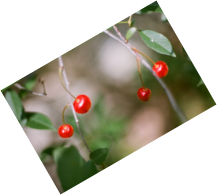
Resulting images after applying some of the filters:
name / result | name / result | name / result | name / result
--------------------------------------------|--------------------------------------------|--------------------------------------------|--------------------------------------------
resize | crop_to_size | rotate_180 | rotate_30
 |  | 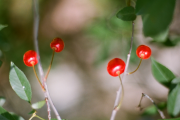 | 
brightness_increase | brightness_decrease | contrast_increase | contrast_decrease
 |  |  | 
saturation_increase | saturation_decrease | gamma_1.5 | gamma_0.5
 |  | 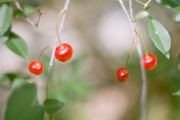 | 
gaussian_blur | unsharp_mask | sigmoid | pixelate
 |  |  | 
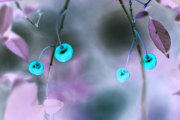
colorize | grayscale | sepia | invert
 |  | 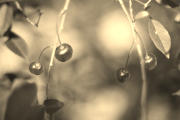 | 
mean | median | minimum | maximum
 |  |  | 
hue_rotate | color_balance | color_func | convolution_emboss
 |  |  | 
Here's the code that produces the above images:
```go
package main
import (
"image"
"image/color"
"image/png"
"log"
"os"
"github.com/disintegration/gift"
)
func main() {
src := loadImage("testdata/src.png")
filters := map[string]gift.Filter{
"resize": gift.Resize(100, 0, gift.LanczosResampling),
"crop_to_size": gift.CropToSize(100, 100, gift.LeftAnchor),
"rotate_180": gift.Rotate180(),
"rotate_30": gift.Rotate(30, color.Transparent, gift.CubicInterpolation),
"brightness_increase": gift.Brightness(30),
"brightness_decrease": gift.Brightness(-30),
"contrast_increase": gift.Contrast(30),
"contrast_decrease": gift.Contrast(-30),
"saturation_increase": gift.Saturation(50),
"saturation_decrease": gift.Saturation(-50),
"gamma_1.5": gift.Gamma(1.5),
"gamma_0.5": gift.Gamma(0.5),
"gaussian_blur": gift.GaussianBlur(1),
"unsharp_mask": gift.UnsharpMask(1, 1, 0),
"sigmoid": gift.Sigmoid(0.5, 7),
"pixelate": gift.Pixelate(5),
"colorize": gift.Colorize(240, 50, 100),
"grayscale": gift.Grayscale(),
"sepia": gift.Sepia(100),
"invert": gift.Invert(),
"mean": gift.Mean(5, true),
"median": gift.Median(5, true),
"minimum": gift.Minimum(5, true),
"maximum": gift.Maximum(5, true),
"hue_rotate": gift.Hue(45),
"color_balance": gift.ColorBalance(10, -10, -10),
"color_func": gift.ColorFunc(
func(r0, g0, b0, a0 float32) (r, g, b, a float32) {
r = 1 - r0 // invert the red channel
g = g0 + 0.1 // shift the green channel by 0.1
b = 0 // set the blue channel to 0
a = a0 // preserve the alpha channel
return r, g, b, a
},
),
"convolution_emboss": gift.Convolution(
[]float32{
-1, -1, 0,
-1, 1, 1,
0, 1, 1,
},
false, false, false, 0.0,
),
}
for name, filter := range filters {
g := gift.New(filter)
dst := image.NewNRGBA(g.Bounds(src.Bounds()))
g.Draw(dst, src)
saveImage("testdata/dst_"+name+".png", dst)
}
}
func loadImage(filename string) image.Image {
f, err := os.Open(filename)
if err != nil {
log.Fatalf("os.Open failed: %v", err)
}
defer f.Close()
img, _, err := image.Decode(f)
if err != nil {
log.Fatalf("image.Decode failed: %v", err)
}
return img
}
func saveImage(filename string, img image.Image) {
f, err := os.Create(filename)
if err != nil {
log.Fatalf("os.Create failed: %v", err)
}
defer f.Close()
err = png.Encode(f, img)
if err != nil {
log.Fatalf("png.Encode failed: %v", err)
}
}
```
|
